In October, we make our best conscious efforts to become monsters and inspire fear and dread in our fellow humans. But now we head toward Thanksgiving, that special time of year when we do all of that naturally and effortlessly. So I thought before some of us sit down with our families and carve a turkey (and the others sit down with the turkey and carve into our families), we should take a look at something fun and lighthearted, like Armageddon. No, not the awful Michael Bay movie that mistakenly compares the ancient and hallowed battlefields at Tel Megiddo in Israel with “Bruce Willis vs Space Rock.” Let’s focus instead on Good Omens, the collaborative effort of Neil Gaiman and Terry Pratchett about the end of the world and the major players to try to avert it.
My first impression of this novel involves not just a few flashbacks to high school trigonometry, as it required epic levels of concentration to follow its many tangents, although to be fair, I felt much more positive about the outcome of Good Omens than high school math. Roughly speaking, the plot begins as a parody of the Gregory Peck film, The Omen, which everyone agrees is a classical masterpiece and forgets is terribly boring and slow-paced. Satan arranges to switch his own son, the antichrist with the child of an important American diplomat in England, so that he may initiate the Final Battle from within the world of politics. However, the Satanic nun in charge of the ol’ switcheroo, in a display of concentration and competence worthy of the McDonald’s cashier who never remembers to take the onions off my order, they accidentally give the harbinger of the world’s destruction over to an accountant with the social charisma of a potted fern. The resulting story focuses on the angel Aziraphale and the demon Crowley, who appropriately enough as aspects of God, you never see and who barely do anything to affect the plot and resolve the issues that threaten the world.
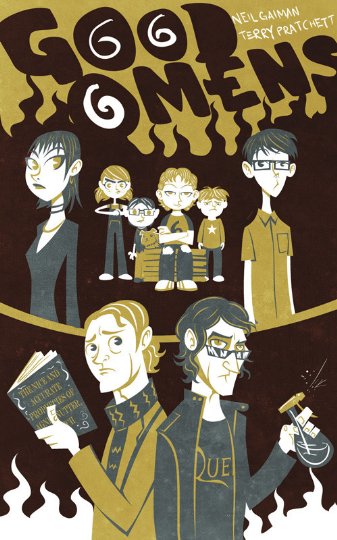
What follows amounts to nothing more than a collection of skits and comedic dialogues, tiny shreds of stories thrown together in the same book. We’re told they’re important and we assume there’s some connection between them all, even though it’s not at all apparent. Ultimately, we have no choice but to trust that it’ll all come together in the end. So yeah…in short, it’s written exactly like the Bible. I read the book because I enjoy Neil Gaiman’s work. I see his influence in certain sections, especially the American-Gods-ish portions of the four horsemen of the Apocalypse being called to action. War, re-imagined for modern times, succeeds as a war correspondent by somehow getting to all the good international disputes just before they break out, and Famine has created an empire capitalizing on the weight loss craze by selling unhealthy diet food that kills via malnourishment. I would have enjoyed more of that. And since I’ve never read a Terry Pratchett book before, I’ll just assume all the parts in Good Omens that came off as shallow and inane were written by him.
I’ll describe these tangential stories pretty much the same way I describe congressmen; if you look at them individually, you’re bound to find something amusing, awkward, or just plain funny, but if you try to put them all together and see if they make any progress, you’ll just find yourself confused and frustrated. The book has enough characters to film citizens fleeing from your average Godzilla attack, and as such, their assumed imminent deaths appear to be the only thing they have in common for most of the story. Near the end, there are about two pages (in Gaiman’s typical style) comparing Heaven and Hell to two gangs fighting over which one is the best. The story really comes together there, and by “comes together” I mean all of the characters somehow find themselves in the same place, and it just so happens that they each have some role to play in the apocalypse. Imagine if you went to a frat party and found out that everyone there, say, drove a 2006 Volkswagen Beetle.
Was it worth the read? I certainly could have done worse things with my time. I met a guy once who built working replicas of famous lighthouses in his front yard. I have to say, Good Omens is at least more productive than some weird hobby like that. Personally, I’d probably have read it just for the scenes with the Other Four Horsemen, Hell’s Angels that the original Horsemen picked up in a bar, who jumped at the chance to literally become Hell’s angels, as they chose—and re-chose—names for themselves. But for the most part, the two authors’ styles don’t mesh well. Gaiman is one of my favorites, but he doesn’t quite have the Monty Python aloofness that the book struggled for, and his usual dark tone kind of brought down what Pratchett wanted to accomplish. Two good things in their own right, but not so much when you mix them together. Like dunking Oreos in Tobasco.


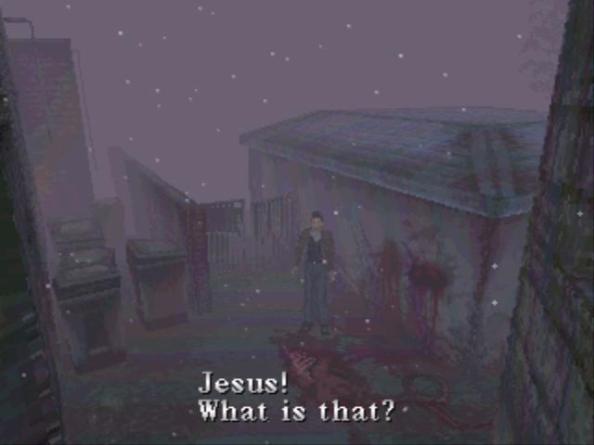
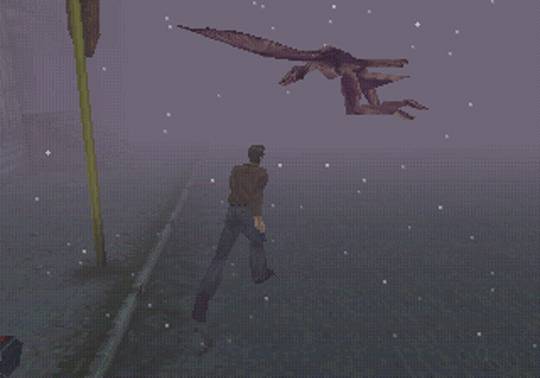
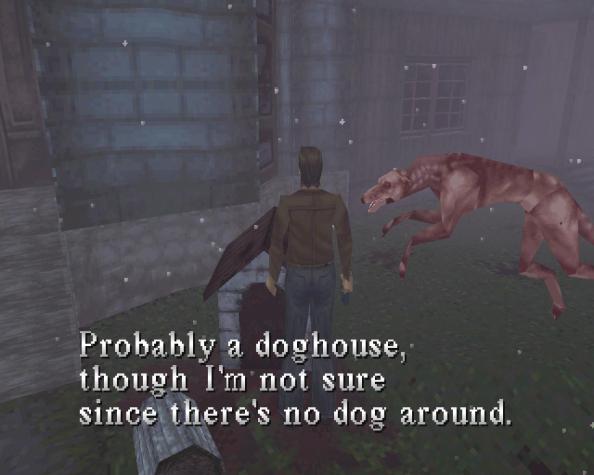
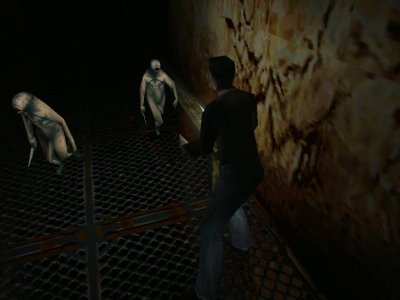
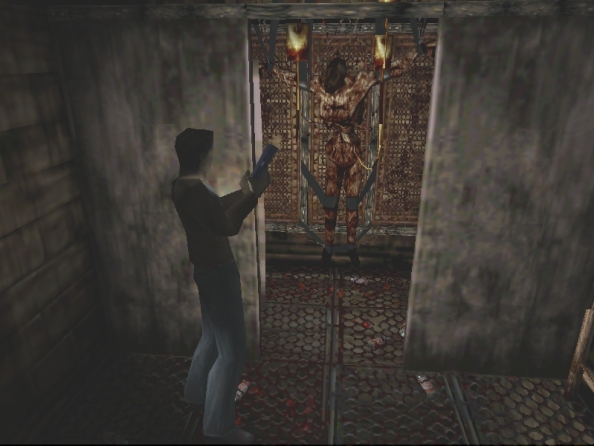


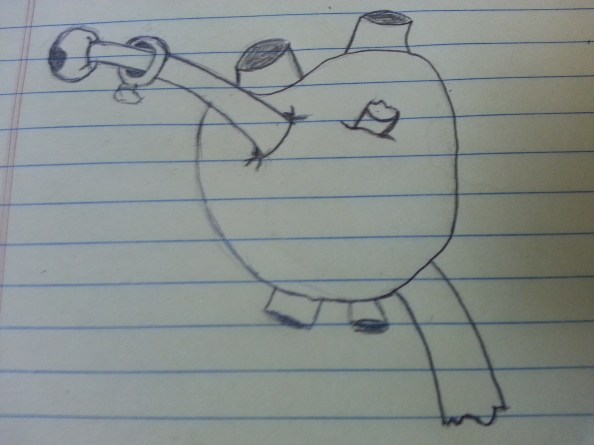


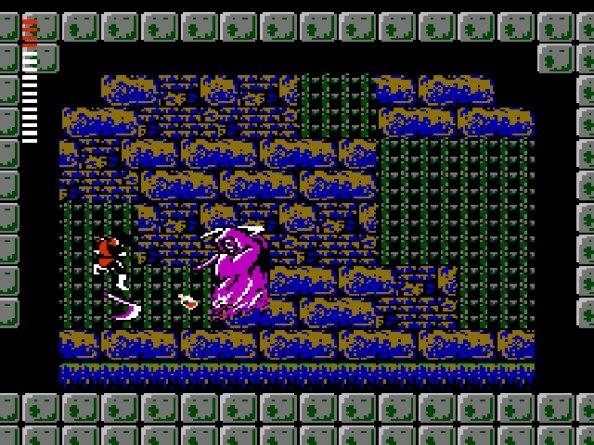
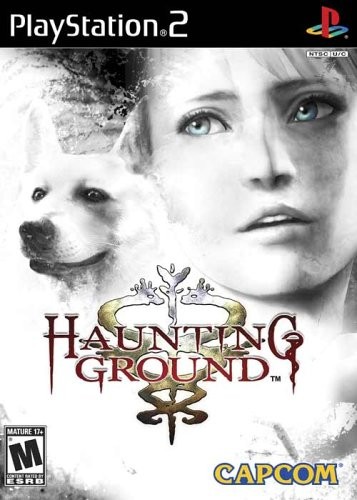
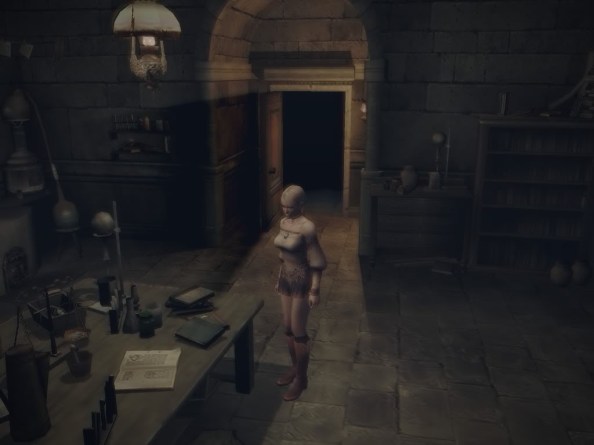

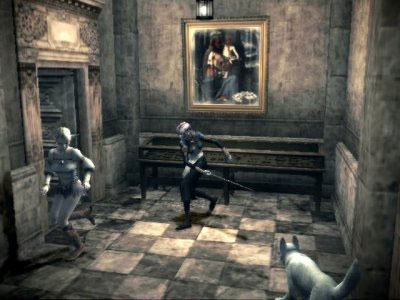
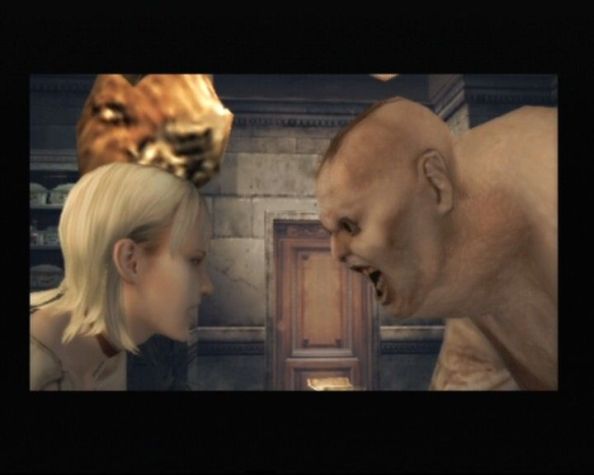


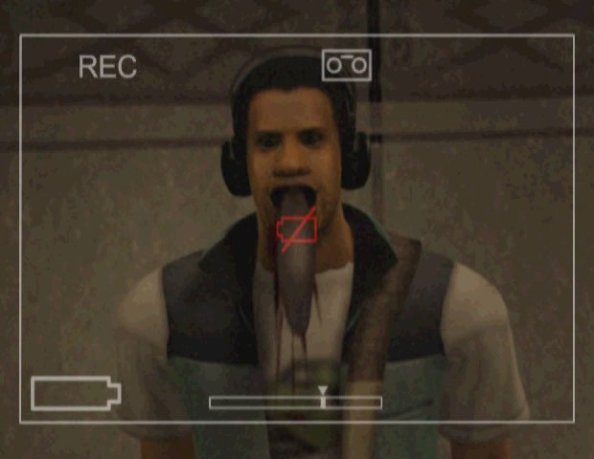
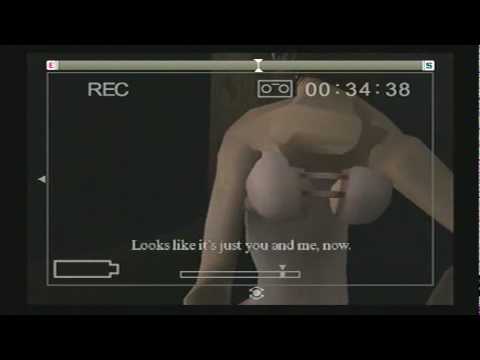
 First of all, let me say that setting Michigan: Report from Hell in Chicago borders on dishonest. It’s like opening a bottle of Mountain Dew and tasting Diet Coke. Or flipping open a Pizza Hut box to find a hubcap from a Winnebago. I think we can take legal action against Europe for wasting a title like that. Second, I don’t usually believe that something can be “So bad it’s good,” but if this unique piece of…survival horror was trying to elicit a strong emotional reaction from me, it succeeded beyond any horror game I’ve ever played. If it was trying for fear, though, then it may have better luck selling football equipment at an ICU.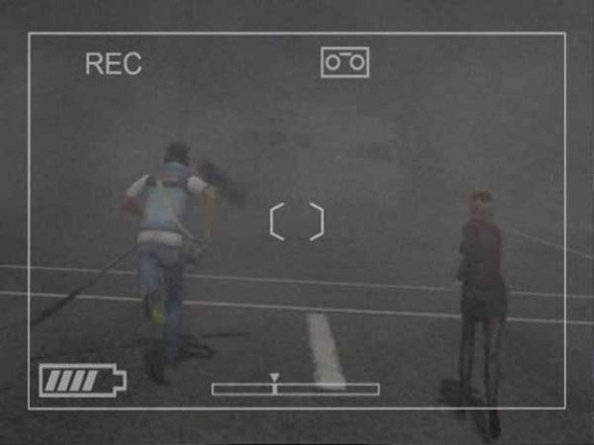



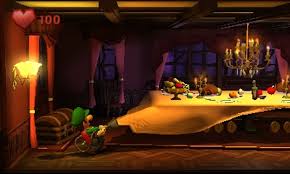
 Sometimes I question whether it’s healthy for me to write about every game I play, or whether I’m intentionally turning myself into a sour cynic, hell-bent on juicing every flaw out of a game for lame attempts at comedy. And after attempting a run at Mario Sunshine, I looked at the copy of Luigi’s Mansion I acquired with that same sad look I give the bathroom door at 4:00 in the morning–it’s going to happen, but I don’t have to like the inconvenience. But while it doesn’t happen often, occasionally I get so wrapped up in a game that I forget to think of anything funny to say about it. Which means I’m still in a tough spot, even though I liked the game. So I guess I’ll throw out one of my simplified reviews: It’s like Fatal Frame with a vacuum cleaner.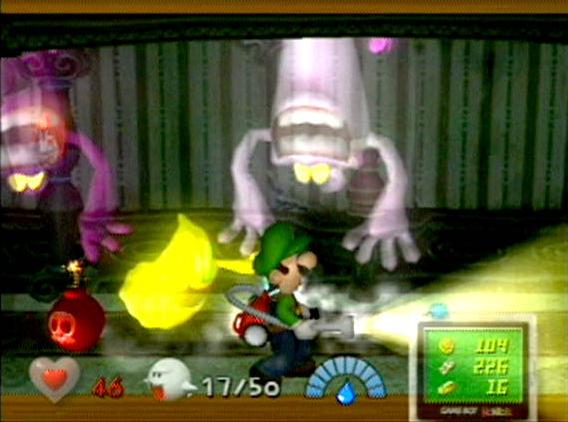




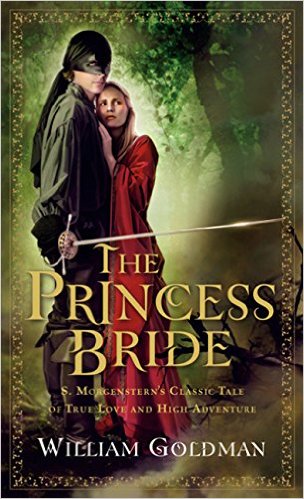 Could there ever be a better tale of winning love, fighting evil, pursuing evil and buckling swashes than The Princess Bride? Yeah, probably. But the movie is still a cult favorite today, and since I don’t want people coming after me with candles and ceremonial daggers and other cultish cutlery, I have to find a tactful way of trashing the book. Much like the Elixir of Life, the Loch Ness Monster, flying cars and universal wifi, mentioning in public that a movie might be better than its book runs the risk of having people cart you off to a hospital and giving you a coat with extra-long sleeves. Nevertheless, I’ve read the entire main story, some of the forwards and special messages, and the first few pages of the “sequel chapter,” Buttercup’s Baby, and I’m so underwhelmed with the story that I stopped writing in the middle of this sentence because cleaning up a backpack that my cat peed on sounded more interesting.
 Video Game Underworld