Lego Star Wars – GBA, NDS, PS2, Game Cube, XBox, PC

Featuring the stars of Lego Schindler's List and Lego Moulin Rouge.

Featuring the stars of Lego Schindler’s List and Lego Moulin Rouge.

Months ago I played Grand Theft Auto III, and hated it so much that I didn’t finish. At the time I had another GTA game on my shelf, which you may have noticed never made it to this blog. I didn’t just set the disc on fire out of hatred for the series–although in an Odyssey of the Mind style hallucination, I did consider re-purposing it as a coaster, a wall decoration, a tiny stage for pet mice to perform on, a projectile to hurl at my neighbor’s overly-excitable dog, or a shim to level out my wobbly kitchen table. No, instead, I put it in my PS2, which immediately responded, “Ha, ha. Funny joke. Now put a real PS2 game in my tray, would you?” I tried repairing the disc, but apparently someone before me had re-purposed the game as a nail file. “Fine by me!” I thought. I didn’t want to play it anyway! And I moved on to a more interesting looking game: Lego Batman. Which promptly seized up at the beginning of the Penguin’s story arc. Moral of the story: don’t buy used games at Savers. But what can you expect from a store that would chuck Mega Man 2 in the trash for its age, but then try to sell six dozen Madden games for $4 each? Yesterday, I actually found high school sports trophies, engraved with the names of the winner. But Conker’s Bad Fur Day? Burn it! Damn cartridge!

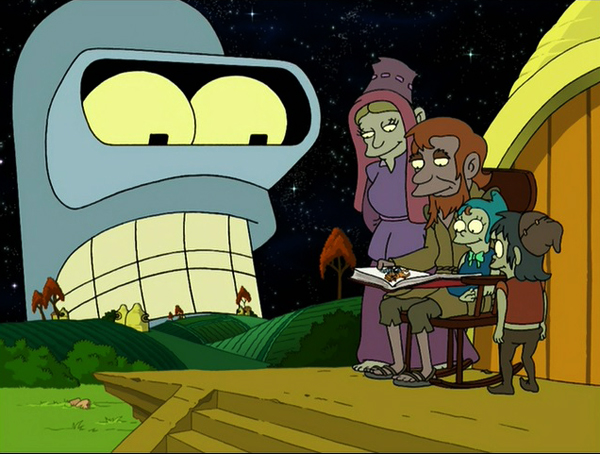
I want a good clean fight. No severing arms. No blasters. No Force grabs below the belt. Oh, and your droids. They'll have to wait outside.

I want a good clean fight. No severing arms. No blasters. No Force grabs below the belt. Oh, and your droids. They’ll have to wait outside.

So to reign in my tirade, when I pulled out the Lego Star Wars disc and could not even with a generous heart refer to it as “round,” I didn’t have high hopes of finishing the game. But as you can see, God does have a sense of humor, and he chose to perform his miraculous Hanukkah Game Technique to keep the disc spinning for as long as it took me to finish, thus forcing me to write about a game virtually identical to Lego Star Wars II, which I reviewed only a few months ago. So here it goes…

Lego Star Wars covers the prequel trilogy, but otherwise bears no differences to Lego Star Wars II: The Original Trilogy.

Pretty good, huh? One of my best reviews yet. Oh! Wait! I’ll do it as a haiku!

Lego Star Wars has
No major differences from
Lego Star Wars II.

Special Ed...momma dropped him on his head...now he's not so bright, instead...he stars in the Phantom Menace.

Special Ed…momma dropped him on his head…now he’s not so bright, instead…he stars in the Phantom Menace.

But seriously, I should probably at least pretend to have some journalistic integrity (I’ll get it when someone starts paying me to write, damn it!) and try to say something worthwhile about it. Lego Star Wars marks the first of the licensed Lego games developed by Traveler’s Tales. Oddly enough, this rookie attempt actually makes it easier to write about, since it lacks a number of things that have become staples for the Lego licensed series. Characters can’t assemble bricks into objects to interact with. The Jedi sort of can, but only as part of their Force powers.  Also, you’ll notice that none of the levels have Free Play areas, places you can access only by bringing other characters into the level using Free Play mode. And now, a limerick:

Uh, Obi-Wan...maybe not use the Force on me for a while. That light looks like it might cause cancer.

Uh, Obi-Wan…maybe not use the Force on me for a while. That light looks like it might cause cancer.

When playing a Star Wars with bricks
the Jedi all play Pick-up-Sticks
The blasters shoot bolts
The Gungans are dolts
While the enemies all act like pricks.

While the other Lego games don’t exactly force you to look up walkthroughs, this attempt eliminates the need entirely.  It doesn’t really employ puzzles or more than a few secrets, instead focusing on a run-and-gun, Mega Man style of gameplay. The vehicle levels control well, surprisingly welcome from Lego Star Wars II’s underwater-shark-rodeo vehicle handling. It does result in a slightly too easy game, but they don’t exactly market these games to the World of Warcraft or the competitive Smash Bros. crowds. Beating the game in two days actually made the experience rather pleasant.

A 900-year-old arthritic ninja muppet and an 8-foot tall Wookiee, pissed off that he missed Life Day. I think we have either the makings of a buddy road comedy or an action cop drama here.

A 900-year-old arthritic ninja muppet and an 8-foot tall Wookiee, pissed off that he missed Life Day. I think we have either the makings of a buddy road comedy or an action cop drama here.

For licensed games, the Lego series don’t suck. I know that describing them like that equates to calling someone the world’s tallest leprechaun, or naming someone hacky sack champion of the hospital’s paraplegia ward, but unlike most game licensing, Traveler’s Tales doesn’t seem to do it for a quick cash grab, hiring three people to code the game and twenty-five to design the box and marketing material. Instead, they aim for humor, for ease of gameplay, and amusing moments like when Yoda, who hobbles at a snail’s pace, opens his lightsaber and becomes the God of All Ninjutsu. I know they all play pretty much identically, but look for a few other Lego articles in the future, since I can probably repair my Batman disc. And I bought Anne Lego Lord of the Rings for her birthday. And Lego Jurassic World looks fun…

Nope. I checked. Still no one wants cares about the pod race.

Nope. I checked. Still no one cares about the pod race.

…yeah, I just make my job harder for myself. Maybe I’ll have something to say six months from now. Oh, and Pod Racing? Still stupid.

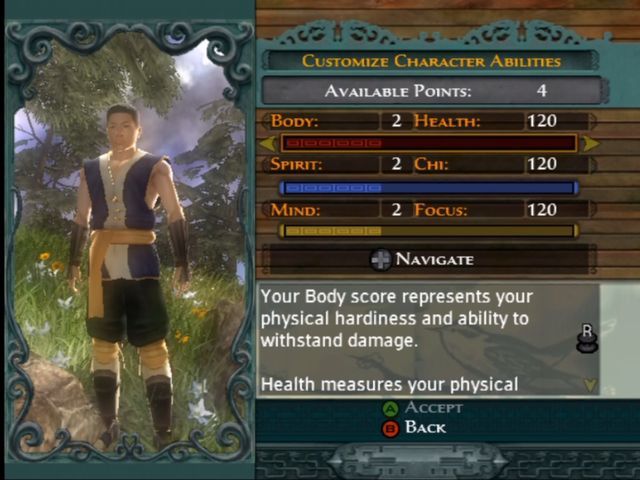
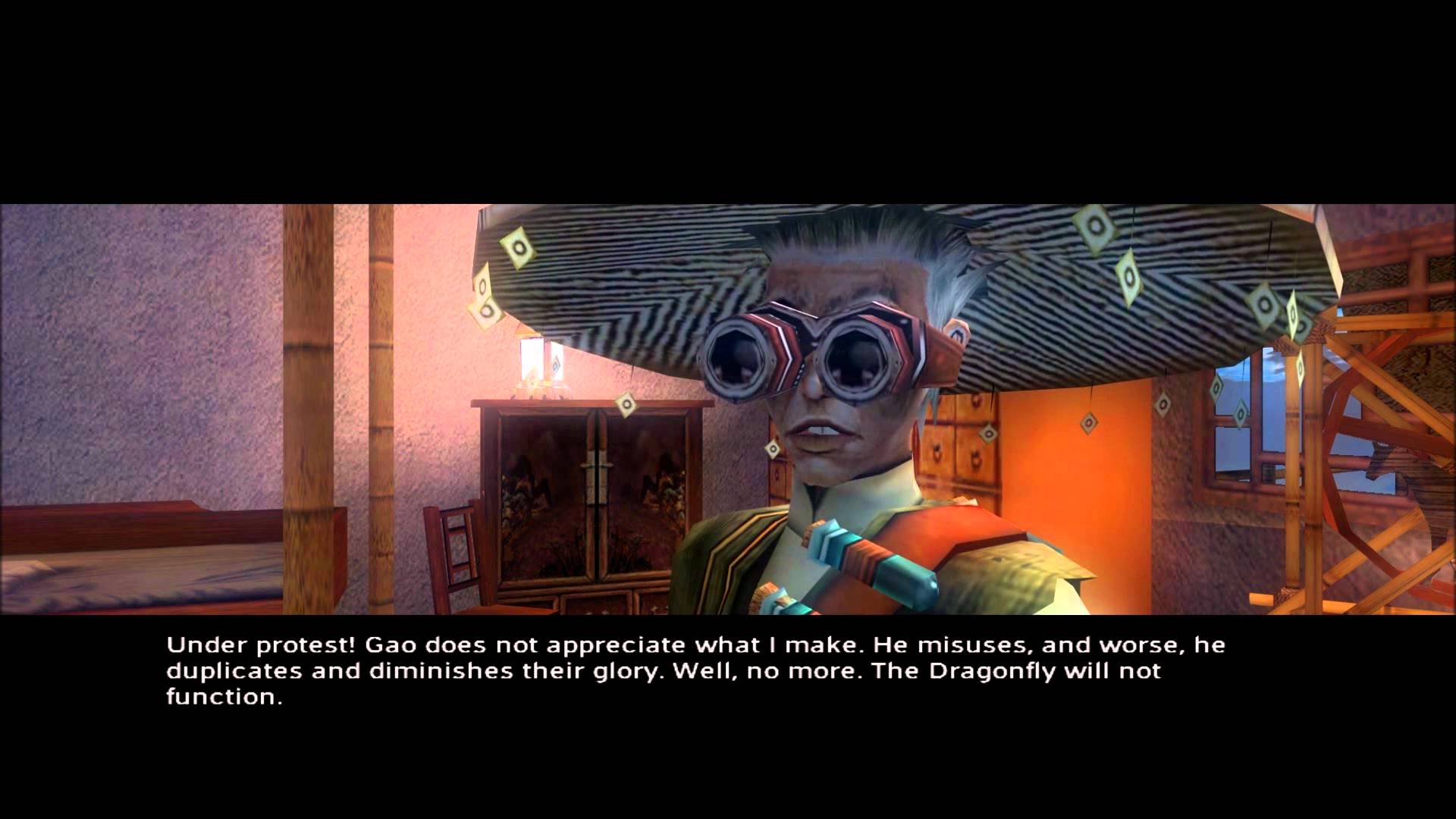
Jade Empire – XBox

JE4
I generally like to finish the games I start, even if I can immediately see I’ll have less desire to pick it up for a second time than a condom. However, I have run into a few things that just completely bring the game to a premature end (thankfully, not like the condom). I couldn’t finish Star Ocean: To the End of Time because the disc had a hole through the label the size of a small dog. I’ve quit a few games because of corrupted game data at the end of disc three. Some games may get lost during computer formatting (another reason I prefer consoles), while some games get lost when lent out to friends (which, I suppose, beats the book I got back once in a ziploc bag). Anything for the NES risks the connector pin death seizure. And Soul Reaver…well, that one just sucks like a hoover. But I can add a new one to the list–I sold the game two hours into playing it. I’ve recently opened a small book/game store on Amazon, and after a week of not selling anything, I got bored and fed up and decided to toss in one of the games I thought looked interesting. And naturally, someone swipes it from me. I should play games I want to sell more often.

JE2So my review for Jade Empire might end up a little short, but after hours of listening to the characters blather on endlessly and trying to feign consciousness like a volunteer at a senior citizens’ home, a good concise review would do us all some good. So…

Jade Empire combines Onimusha with Fallout.

There. Another day’s worth of writing finished. Or rather, since I can’t figure out what to do with chapter 14 of my novel, I might as well keep going.  Jade Empire combines an action combat system with RPG character growth, much like, well, Onimusha. Or Fallout. The player chooses from a list of premade characters, each with a blank personality installed, and then sets out on an open-ended quest full of choices. Occasionally you choose which quests to accept and which skills to level up, but by far most of these choices involve picking one of three dialogue options in the standard formula of “Magnanimous kindness the likes of which would make Pope Francis look like the offspring of Joseph Mengele and a nazgul by comparison,” “Waffley, non-committal response that any sane person would give when asked to get involved in the problems of strangers,” and “Murderously arrogant phrases generally only uttered by the offspring of Joseph Mengele and a nazgul, which would strike you down with the crippling guilt of a Catholic grandmother should you even consider selecting it.”

Yeah, that sucks, but I just need to find the bathroom.

Yeah, that sucks, but I just need to find the bathroom.

Choose whichever dialogue option you like; inevitably it will lead to an extensive expository monologue that will repeat useless information and refuse to tell you anything that might actually advance–or even initiate–plot. It gives the impression the game’s authors never once considered that more skillfull methods of exposition might exist. “Show, don’t tell? Trust the players to understand simple clues? Fuck that! We need everyone at the martial arts school to constantly talk about your mysterious orphan back story while throwing in comments every other sentence about how much your rival student acts like a dick!” These writers must envision White House aides bursting into the Oval Office each morning saying, “Mr. Obama, as you know, the American Public elected you, our first black president, in 2008, but you have had to face adversity from the GOP establishment blocking your every move. Yes, indeed, you’ve had a rough seven years, with the Republicans not letting any of your legislation pass. Just think of how much progress you could have made had they not prevented your agenda from…”

We know. He knows. They know. We all know. Now can we please just get to the martial arts action? Historically, talking to NPCs in towns and villages has provided a clever, enjoyable, and optional method of exploring the culture and history of a fantasy world, but navigating these giant sequoias of dialogue trees feels like a mad dash for the end, trying vainly to choose the most taciturn response possible, but even saying “Goodbye” often commits you to a Shakespearean sonnet or two of exposition or unsolicited advice.

Once again, an all-white design team manages to capture the essence of cliched depictions of Asia.

Once again, an all-white design team manages to capture the essence of cliched depictions of Asia.

Still, despite the pacing, which often places these lengthy cut scenes between each battle, I had a fairly positive reaction to the design.  The setting replicates a loosely Chinese-ish country, in a political climate loosely resembling the historical unification of China by the first Emperor, Qin, albeit much in the way that Edward Cullen loosely resembles a vampire. The story starts in a small, rural martial arts school, where people take every opportunity to tell you how awesome you are, usually via some stereotypical Chinese-sounding platitude, which people speak as fluently as their native…English. (And also some weird made-up Russian/German sounding language meant to show how old people resist change) Even your bitter rival, Gao the Lesser, can’t resist throwing a few jabs over how no one at the school can beat you. Also his voice sounds familiar.

…is that Nathan Fillion?

Mostly Chinese, except when Japanese culture works better. Then who cares?

Mostly Chinese, except when Japanese culture works better. Then who cares?

Did they just cast Malcolm Reynolds as the son of a Chinese aristocrat? Not that I mind him reprising his creepy priest/obsessed starship captain voice for an epic RPG…I just don’t always see my epic martial arts villains as the riding-roping-wrangling cowboy types. Couldn’t they get Chou Yong Fat or Jet Li (or Jackie Chan!) as their celebrity cameo?

Whatever. Anyway, you engage in the obligatory MacGuffin conflict with Gao, thus providing the standard impetus to pull you out of the village for the inevitable razing and murder of all its inhabitants, except for the one you most likely would attempt to rescue. Points for originality, as I can’t think of another game that destroyed the protagonists home town except for Nifleheim in Final Fantasy VII. And the Mist village in FFIV, the Esper world in FFVI, Fynn in FFII, Zanarkand in FFX…and also in the Four Heroes of Light, Bravely Default, Legend of Dragoon, Kingdom Hearts, Xenogears, Dragon Quest, Star Ocean, Shining Force, Banjo Tooie, Sands of Destruction, Metroid…you get the picture. You gain access to a flier–a kind of ancient Chinese version of steampunk technology, an aircraft shaped like a mosquito. Which the villains almost immediately swat out of the sky–but not until after playing a space-shooter style mini game–and the questing ensues.

Dear Cosplayers, your move.

Dear Cosplayers, your move.

Yeah. This game really wants me to put it in the WTF category. But, beyond the nap-inspiring dialogue and poor attempt at Chinese atmosphere by an almost entirely white development staff, the game doesn’t suck. Even if it skimps heavily on the combat, it won me over when I stumbled upon a cook who bragged about having food so bad that no one ate more than one meal from him. After acing his challenge of eating three meals, he gave me the option of a super-secret developmental dish, which I ate. My next set of options let me lie and tell him I liked the food and that he should try it, which he did. Next thing I know, I have to decide whether or not to loot his corpse. You win, Jade Empire. Points for style.

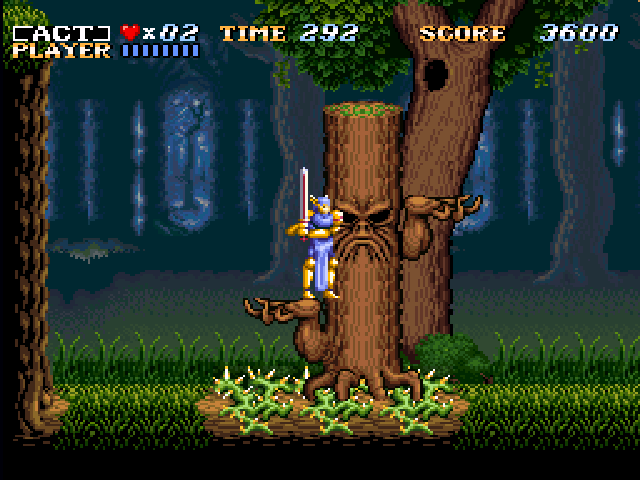
Act Raiser – SNES

"You know who I really miss? That tree guy."

“You know who I really miss? That tree guy.”

I was doing well until everyone died.

I was doing well until everyone died.

If Victor Frankenstein, John Hammond, Hubert Farnsworth and George Burns have taught me anything, I’ve learned that nothing good happens when you try to play God. In fact, you’ll find that along with “treat all races with respect,” “don’t mess with the space-time continuum,” and “every planet in the galaxy has a breathable atmosphere and humanoid life forms,” science-fiction kind of riffs on that idea ad infinitum, like when your roommate picks up a guitar, teaches himself the bass line to Smoke on the Water, then never feels the need to learn anything else, ever again. Don’t play God, you’ll only bring chaos and ruin to the world and resurrect the ones you love as horrible, zombie-like monsters who would beg you to kill them if only their tongue hadn’t dropped out the window on the car ride home. We got it, sci-fi. We hear you. Life arose naturally, so obviously nothing created by man could ever even come close to god’s perfection. Except for cooked food, medicine, vaccines, clothing, indoor plumbing, solar energy, written language, space travel, and the million other innovations discovered over the past three million years.  But life, no, life just couldn’t possibly ever fall within our grasp. Can you move on?

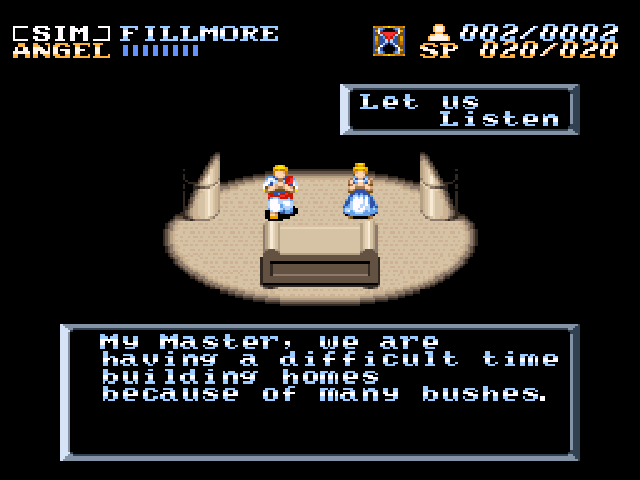
Even in fantasy worlds, a Bush ruins the housing market.

Even in fantasy worlds, a Bush ruins the housing market.

Except, as I learned from Enix’s 1990 SNES release, Act Raiser, I actually rather like playing God. The premise behind the game puts you in the role of God, smiting monsters, performing miracles, and engaging in basic civil engineering in order for your human children to survive in a world beset by Satan, his monsters, horrible tragedies, and temptation. During the cartridge-based console era, Nintendo had a strict censorship policy when it came to anything in a game even remotely religious (Well, Christianity. Note that FFVI includes “Pearl” instead of “Holy,” but Hindu and Muslim references to Shiva and Ifrit slip by without a care). Act Raiser attempts to appease this policy by re-naming God as “The Master,” and Satan becomes “Tanzra.” (Not until Roxas and Xemnas would the world see a character so obviously named using an anagram of their real name with one extra letter thrown in!) However, considering that the game gives you an angel as a personal assistant, shrines where people pray to you for miracles and give you offerings, and the ability to smite enemies and control weather, I’d say Act Raiser must have slipped by the Nintendo censor the day he got high and finally managed to shag Deanna from marketing.

RetroArch-0726-093249Act Raiser would fit in very well with modern games, as indie developers seem to have gouged out a niche in the industry where they praise quirkiness, and the more forced it seems, the better they expect the game to do. Does it star a high school cheerleader who moonlights as a spy? A rhinoceros conscripted by a faction of Russian freedom fighters? A sofa who can call upon skills learned in his past life as a lobster? Wonderful! Except with Act Raiser, the quirkiness of a side-scrolling arcade-style action platformer interspersed with urban development simulation sections seems neither intentionally quirky, nor forced.

They call me Fillmore. It means, "He who really loves the metal lord."

They call me Fillmore. It means, “He who really loves the metal lord.”

Game play alternates between two modes. The game begins with a flying toddler suggesting you go down to earth and kill some stuff to make room for people. So he beams you down into the statue of a viking warrior and you begin an arcade-style dash through a forest, looking for the boss. After winning, you found a town and name it Fillmore, thus beginning a long tradition of humans questioning the judgement of God. After spraying divinity-strength insecticides on the town, you have the option of either moving on to smite more monsters elsewhere, or entering an urban development mode. In this mode, rather than raising taxes like in Sim City, or hunting for resources like in Warcraft or Age of Empires, you have to fend off monsters while expanding the town toward their nests, which the townsfolk will automatically seal when they arrive.

The master utilizes the ultimate in mobile home technology, but all the other gods still look down on him as trashy.

The master utilizes the ultimate in mobile home technology, but all the other gods still look down on him as trashy.

While interesting and I suppose sort of fun, the urban development sections lack variety. The monsters don’t really do much to slow down your progress, and I don’t think they can give you an outright Game Over. You control the angel in these sections, but when you lose all your health, he takes a minute or two to change his diaper, freshening up until he finds a second wind to keep launching arrows at the winged beasties. Only a few things can hamper your growth here. First, the landscape usually requires some sort of miracle to clear off enough to build. However, your ability to perform miracles regenerates as you fly around killing monsters, while the town construction usually proceeds almost as quickly as the Atlantic Ocean threatens to swallow Florida, so I never really felt any sense or urgency here.  Oddly enough, your town population, rather than your performance in battle, levels up your character to have more health and MP in the arcade sections.

What really happened to the kingdom of the crystal skull. Now if Indy could have only left them dead...

What really happened to the kingdom of the crystal skull. Now if Indy could have only left them dead…

After building up your town to certain levels, the townsfolk will offer you some innovation that you’ll have to impart to people elsewhere, or will find find some item to help themselves or other towns expand, or they’ll discover a second monster lair, and you’ll have to dive in and machete a path through their innards before they do the same to your people. And…yeah. You keep building up your town, then hacking through monsters. Really not much to it. After fully developing all six towns, a boss level will open up, and you’ll charge through the final bosses for each town once more before fighting Tanzra. The difficulty has a tendency to spike here………….

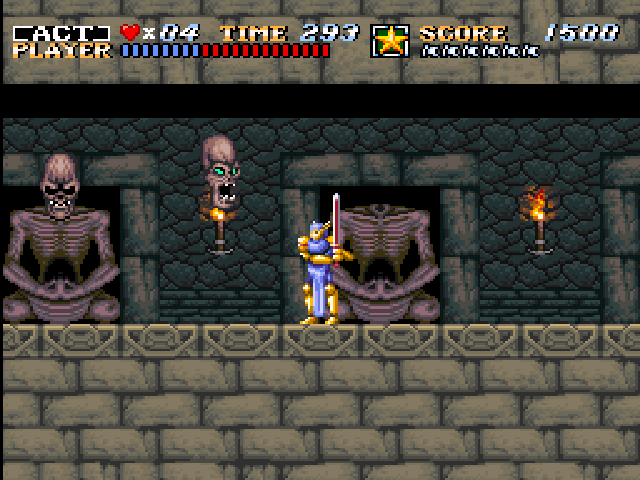
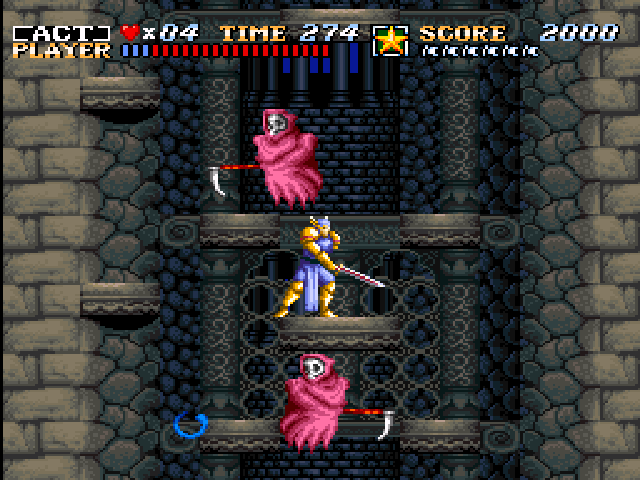
Creepy castles, Medusa heads, vampires that turn into gargoyles, and fights with death...I thought I reviewed Castlevania last month.

Creepy castles, Medusa heads, vampires that turn into gargoyles, and fights with death…I thought I reviewed Castlevania last month.

The game fails to explain, however, that your performance in the platforming levels, the items you pick up and the score you achieve, all determine your maximum population in the urban planning sections. But you know, people ought to figure that out, right? At the time Enix released the game, high scores had only been irrelevant for…I don’t know…eight or nine years.

Except, of course, on Nick Arcade.

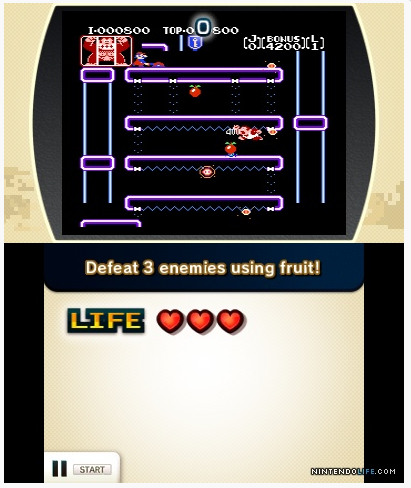
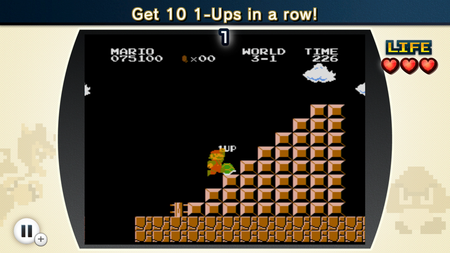
Ultimate NES Remix – 3DS

Uh...I don't think Sarkesian really had this in mind.

Uh…I don’t think Sarkesian really had this in mind.

Question: If you could go back and fix or improve a classic video game, what would you change? Would you add save points to Castlevania? Give more experience per battle and an MP magic system in Final Fantasy? Extra stages in Super Mario World? Put Mega Man in the Adventure of Link? Or would you instead chop the game up into tiny bits so as to focus on minute, mundane tasks that have no relevance without the context of the full game, making them so pathetically easy that a comatose lemur could earn a 3-star rating for each challenge? I’ll give you one guess which option Nintendo chose for their Ultimate NES Remix.

Find yourself bored with the mundane challenge of running underneath a turtle with osteoporosis? Try running under a BIGGER turtle with osteoporosis!

Find yourself bored with the mundane challenge of running underneath a turtle with osteoporosis? Try running under a BIGGER turtle with osteoporosis!

With every new significant advance in video game technology comes an inevitable onslaught of ports from systems that had less computing power than my living room carpet. Nintendo develops the SNES and gives us Mario All Stars, Playstation devises a 32-bit disc based console and Namco immediately releases Pac Man for it, a move later followed by Midway Arcade Treasures for the PS2, and now that we have an awesome hand-held system with WiFi communications and 3-D technology without the need for glasses, Nintendo has decided that among all it’s remakes and ports of N64 games, it would give us the option of regressing all the way to the 1980s, but only in 30-second intervals with challenges less entertaining than most tutorial stages. No, If you must know, I didn’t exactly fall in love with this game. In fact, this sort of regressive nostalgia and half-assed attempt at creativity merely reinforces my decision not to buy a PS4 and comes dangerously close to forcing me to get up off the couch and go outside. But that would take too much effort, so let’s see what the game has to offer.

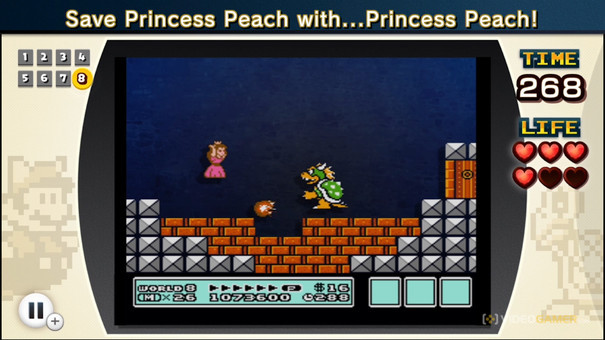
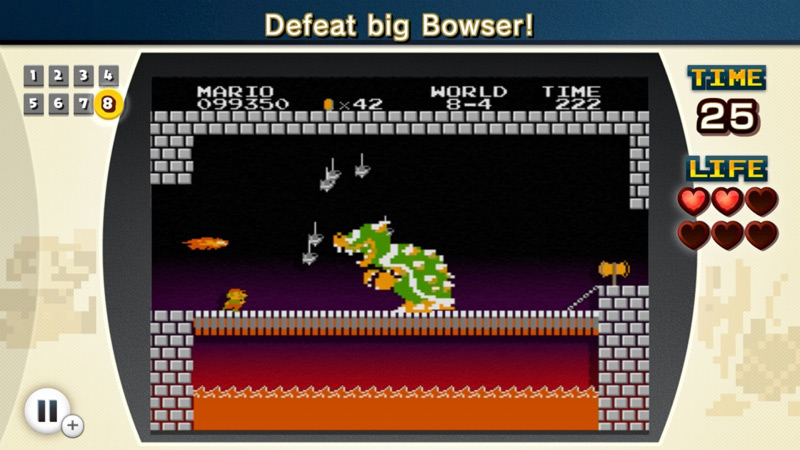
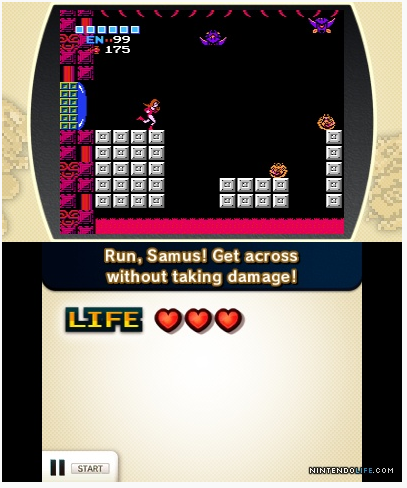
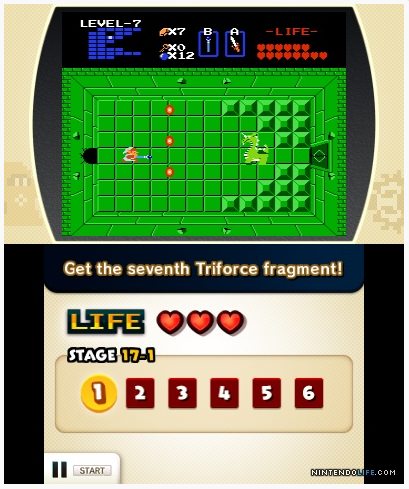
NES5Ultimate NES Remix contains selections from 15 well-loved Nintendo masterpieces and also Balloon Fight (a game that forces me to retract my statement about Joust from a few weeks ago: it didn’t need more variations of game play to make it worth playing for more than five minutes. It just needed to not control like a stack of Kleenex in a hurricane). Each game has between 6 and 25 miniature challenges, such as asking Samus to cross a room without taking damage, having Pit battle Medusa, or Link to find a secret entrance. However, while challenges sound like a lot of fun, Ultimate NES Remix hits their target about as well as a dart player on a carousel.

Oh no! How will I ever find the three coins with thirty seconds and only the silhouette of a few bricks?

Oh no! How will I ever find the three coins with thirty seconds and only the silhouette of a few bricks?

First, no matter what challenge you undertake, your score (from one to three stars, and on random occasions for no apparent reason, stars with rainbow outlines) depends entirely on your time. If Samus has to cross a room and enter a door, for example, you could opt to deftly weave through a crowd of monsters like a high-class thief stealing a diamond in a room full of lasers, but that might take time, and even if you got to that door, you’d probably get a lower score than the player who imagined themselves as Mongo from Blazing Saddles and just hopped in the pool of lava and waded across, hitting the goal on the verge of death. I enjoy timed challenges once in a while, but games that constantly hold me to a tight schedule just takes away the option to stop and smell the fire flowers. (an act I imagine would bear a strong similarity to snorting Tobasco) Dead Rising 2 timed everything, and that game completely took the fun out of beating heads and hacking limbs off zombies.

Second, who cares if Mario picks up the fire flower? If the challenge ends before you get to indulge in some freelance arson, the goal could have just as easily asked Mario to jump to a block, or walk forward, and it would have entertained just as much. One challenge put Link in the 2nd Quest dungeon room with the old man who offers, “Leave your money or your life,” with the instructions that you need to choose the latter and sacrifice one of your heart containers. The entire point of forcing a player into that decision depends on living with the consequences, but the game doesn’t ask Link to do anything afterwards, so we don’t have to consider our sacrifice, and whether or not we’d rather give up that blue ring we’ve saved up for, or if we want to bleed a little and tough our way through the rest of the game. And we didn’t have to go through an entire game to get to that heart container, or Samus’s screw attack, or Mario’s frog suit, so when you get these items, the level of satisfaction you receive almost reaches that of a hand job while under the effects of sodium pentothal.

Face insurmountable odds! Fight low-level bosses during the end game with full health!

Face insurmountable odds! Fight low-level bosses during the end game with full health!

Finally, I may have employed an undue level of generosity by using the term “challenge” to describe the tasks Ultimate NES Remix asks of you. If you’ve ever learned to ride a bike, at one point an adult probably touted their implicit level of trust, claiming they would never consider letting go of the bike while you pedaled, and–of course–let go, thereby shattering your eternal trust in them in exchange for the knowledge of how to balance precariously by your genitals on a knob of hard rubber moving at thirty miles an hour. Well, Nintendo, rather than letting go of the bike like most parents would to prove that you won’t fall over, instead puts on an extra pair of training wheels, then straps you to their back and rides the bike for you. As the challenges rarely last more than 30 seconds, they have a difficulty akin to poking a dead raccoon with a stick. In fact, a few of Link’s challenges, such as “find the secret entrance!” begin mere moments after he has set the bomb or cast the fire that will reveal said entrance, and if the game feels you can handle it, you only have to walk him into the newly revealed secret. Sound too hard? Don’t worry. The game imposes a bright yellow circle over the goal and often includes a yellow arrow pointing to it.

First, you sign them up for the Fruit of the Month Club, then when their intake of dietary fiber reaches epic proportions, you catch them by surprise in the bathroom and hit them with a hammer!

First, you sign them up for the Fruit of the Month Club, then when their intake of dietary fiber reaches epic proportions, you catch them by surprise in the bathroom and hit them with a hammer!

So knocking out three stars in each category didn’t take a whole lot of effort, so I thought, “Why not?” Well, I suppose I also had to consider Anne’s family reunion happening around me, and thought the game would give me an excuse not to talk to anyone. but still, I took a few days and earned each star in each challenge. I believe–although don’t quote me on this–that earning stars opens up more challenges for play, and that you also open up the truly remixed levels, but once I received all stars in each category, I opened up a new mode of play, the “Ultimate Famicom Remix”! Awesome! I know they made major changes when they brought these games to the US, so maybe I’ll get to experience their original difficulty levels, or play Doki Doki Panic instead of Super Mario Bros. 2.

Instead, I can sum up all the noticeable differences as follows:
1. Text in The Legend of Zelda reverts to original Japanese.
2. You can only pick up the trophy in the Adventure of Link by stabbing it.
3. Pit doesn’t fly automatically during his fight with Medusa
4. At the end of Kid Icarus, Pit no longer stands against a Grecian backdrop.

…”Congratulations! You’ve just mastered the art of classical piano and performed at all the major world concert halls. History will revere you as a virtuoso musician…now this note here sitting between the lines? We call that ‘C’…”

Exploit the glitch!

Exploit the glitch!

So I bought the game because the back of the box looked interesting, showing a stage in Super Mario Bros that ran from right to left instead of left to right, and Link climbing Donkey Kong’s scaffolding. I should, in all fairness, point out that Ultimate NES Remix does include three unlockable categories of actual remixes, for a total of 75 challenges, but like the rest of the game, you can’t play any of these long enough to enjoy them. Seriously, Nintendo…I have an SD card the size of a toenail clipping that stores 32GB of memory. If you want to swap out some graphics and data in a handful of 300KB roms, at least have the decency to give us the option of playing the entire fucking game. And that full version of SMB you gave us that plays at double speed? Yeah…I’d rather just go play Sonic the Hedgehog.
For my money, the true “Ultimate NES Remix” remains Super Mario Crossover, and it doesn’t cost a dime. Go play that.

(If they change the link…you can still Google the name)

Parasite Eve 2 – Playstation

Note: Gamersgate supporters would like to see less of this.

Note: Gamersgate supporters would like to see less of this.

Back in the late nineties when Squaresoft could do no wrong, they made a bold move by backing away from Nintendo in favor of Sony. This meant two things for me. One, I had just blown my entire finances on an N64 and they had just rendered that purchase useless. Two, they now had virtually limitless room for bigger and better games. So when I finally gathered enough pop cans out of local garbages and exchanged the sticky, tobacco-ridden gold for a Playstation, I had to resort to begging for games for Christmas presents. When I popped that disc in the little gray box and hit power on Christmas morning (fuck baby Jesus! I’ll go to church when he’s earned enough EXP to unlock his parasite powers!), I met Parasite Eve, and thus began a lifelong relationship with a game that would inspire me to piss off my high school teachers with endless questions about the motives and abilities of mitochondria and at least one major research paper on spontaneous human combustion.

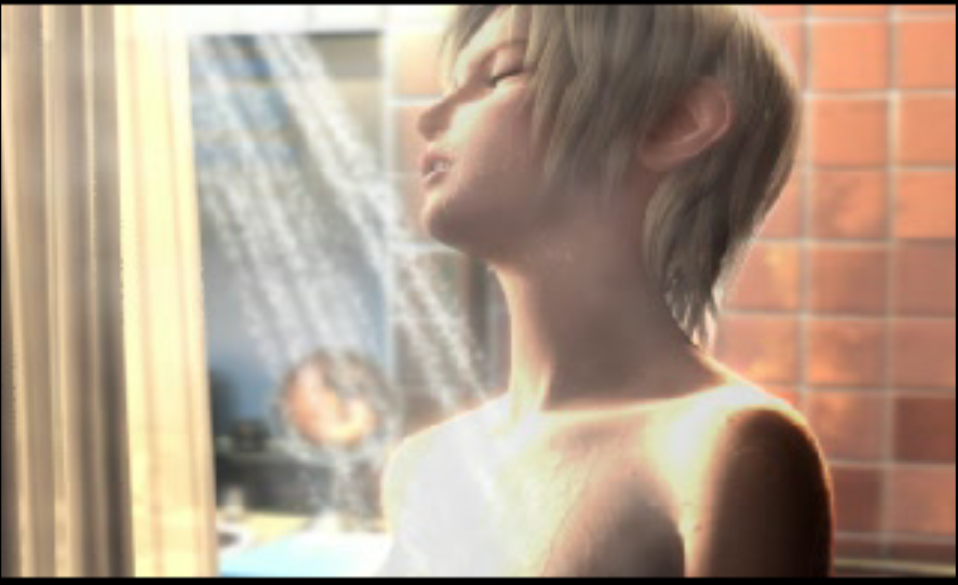
"Full Frontal" must not translate well from Japanese.

“Full Frontal” must not translate well from Japanese.

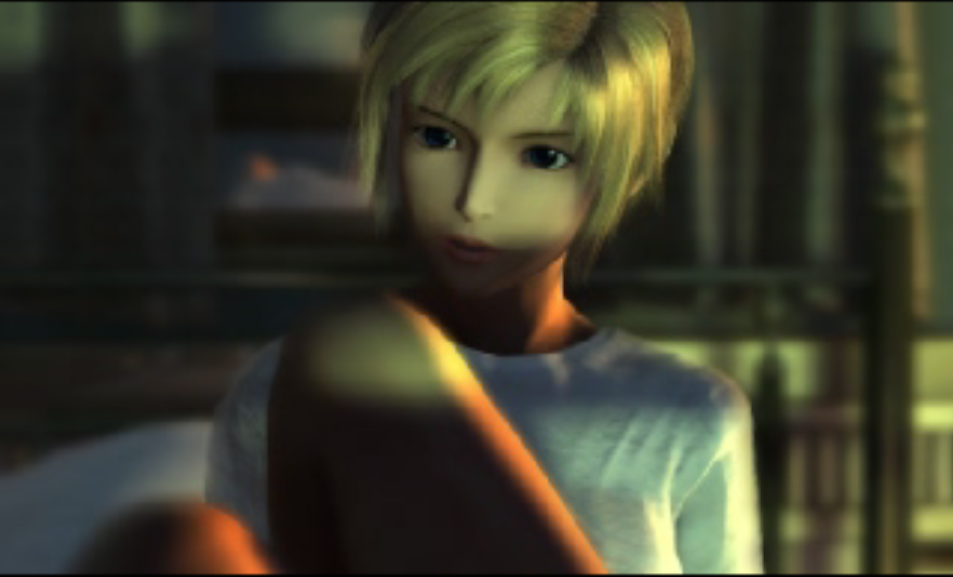
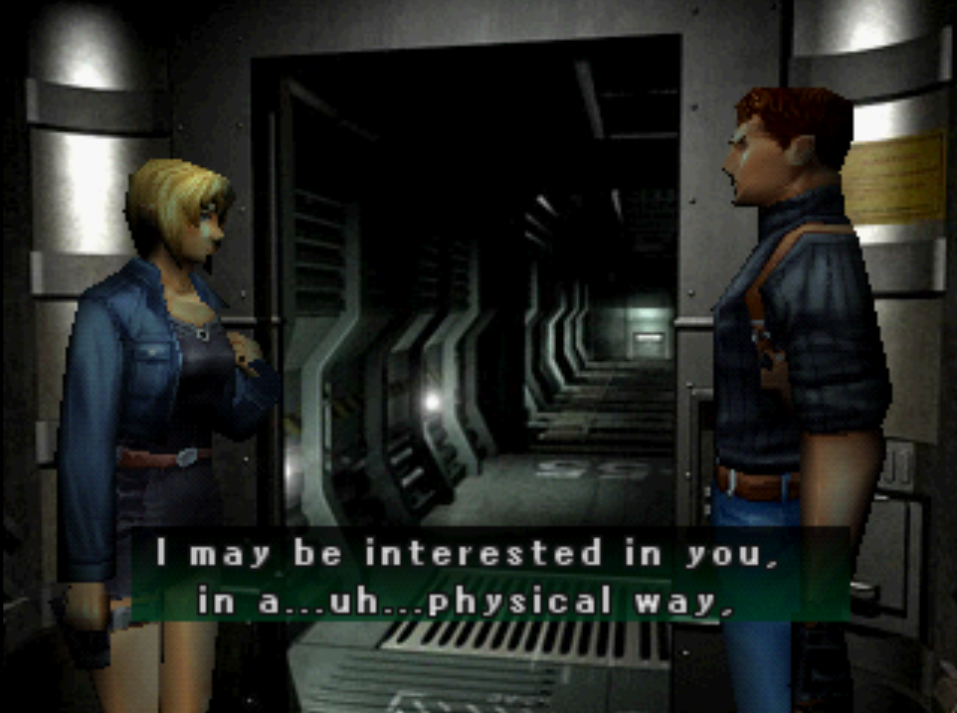
So when Square announced not only a sequel, but a sequel with a full-frontal shower scene (some people may have exaggerated certain reports), naturally I…had no cash and put off buying the game indefinitely. I really do wonder why I put off the game this long. But I finally got my hands on the working game, and now for your special Halloween article, I present “Parasite Eve II, or Resident Evil, Symphony of the Night.” The rumors I heard involve an all-out, knock-down, out-for-blood difference of creative opinion, with the director of the first game wanting an RPG detective story with the development team wanting to do something more like Resident Evil (I will update if I can find a source confirming). While the director seemingly won the first game (one imagines with a level-68 meteor spell while under a protect charm to ward off 9mm bullets), the development team apparently zombified him for the sequel, as the game reads so closely from Resident Evil’s play book that you can practically see the scribble marks over “T-Virus” right beside every mention of the word “mitochondria.” A rip-off this blatant could even garner plagiarism accusations from Terry Brooks.

Apparently, Mitochondria can write flame throwers into your DNA.

Apparently, Mitochondria can write flame throwers into your DNA.

The story follows Aya Brea, the most drop-dead gorgeous survival horror protagonist I wouldn’t want to meet in a dark alley, three years after saving all of humanity from rogue microscopic organelles with murderous intentions and ambitions of world-domination. Despite the fact that the first game wrapped up all loose ends nice and tight, mitochondria still occasionally alters the DNA of people and animals because if they didn’t, well, the sequel wouldn’t make sense, would it? Aya has pulled a Leon Kennedy, leaving the police force to work as a government agent. Her boss sends her to investigate Raccoon City the town of Dryfield, where she discovers an abandoned underground laboratory dedicated to replicating the T-Virus neo-mitochondria. Oh, what horrors of dialogue writing will she face? What plot holes might she fall into? Stay tuned to find out!

Are you my mummy?

Are you my mummy?

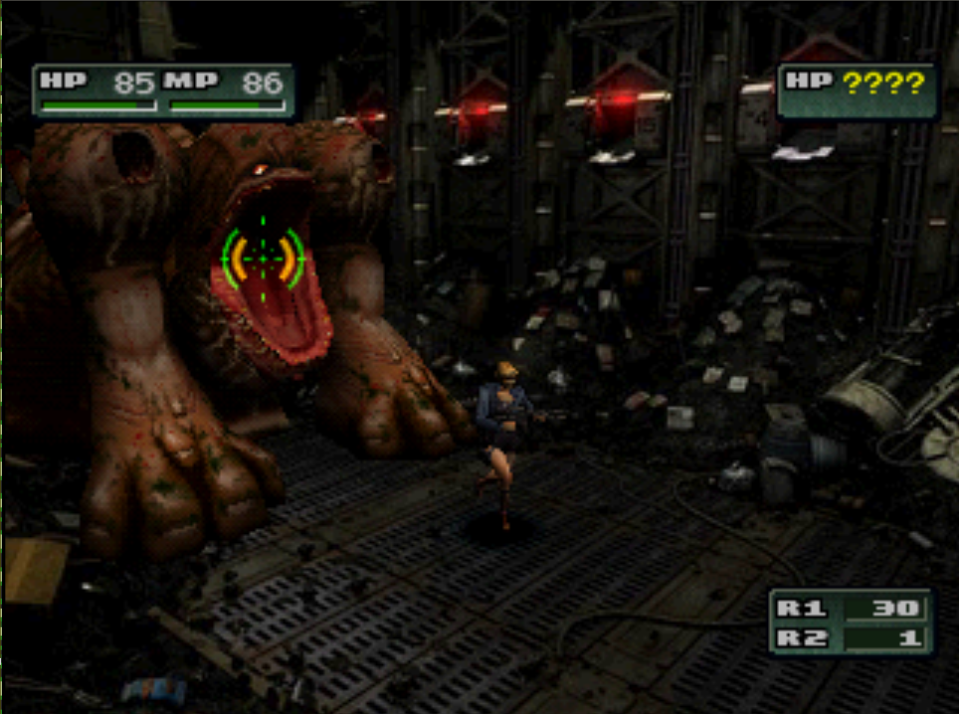
The game plays well, let me say up front. Rather than borrow Resident Evil’s raise-the-gun-and-hope-for-the-best method of aiming, Parasite Eve 2 introduces a lock-on method of aiming, which allows you to point your gun directly at whatever you want to die. You can even see it, too…if the enemy hasn’t wandered out of the pre-rendered camera angle. Battles also have a more realistic flow than in the original game. Granted, from a game play perspective, PE1‘s combat system worked nearly flawlessly. However, it did take a leap of faith to understand why Aya always felt the need to step back and re-evaluate her strategy/situation/life between attacks. PE2 lets her pull the trigger as fast as the bullets come out of the gun.

PE2 drops some RPG elements from the first game, including leveling-up. Throughout the game, guns simply don’t get stronger, and Aya can’t suddenly take a shotgun blast to the face without flinching. On one hand, yes this makes the game more realistic, but assuming most people bought this game based on the merits of the original storyline where a flying opera singer with a velociraptor claw for a lower torso recruits your microscopic organisms to turn traitor and set themselves on fire, I think the target audience only cares about realism to a very small extent. Sacrificing game play for that element of realism may have about the same effect of eating tree bark instead of pasta and expecting health benefits from the all-natural ingredients. It may make you feel good at first, but in the end you’ll find yourself with significantly less health after taking damage in a cut scene. Right before the final boss. Seriously. Fuck you, game.

Then I could do what all snowmen do in summer.

Then I could do what all snowmen do in summer.

This element of realism grows a little murky when calling in to save your game for the first time. PE2 still uses phones as save points, but feels the need to put someone on the other end of the line, and every time you find a phone, after standing there wondering if it dials out (while the player watches, wondering how Aya ever passed high school, let alone her NYPD exams and field tests), we have to listen to the commentary of the NPCs, like a Greek Chorus of Nitwits repeating to the player what we already know. Especially astute players and their walkthroughs might access a minute sub-plot about a mole in the agency, but this proves about as vital and interesting as a pile of toenail clippings. Anyway, the first time you call in to save, your boss authorizes you to use weapons and armor you find on corpses. Thanks chief, but won’t I make the dead guys happier by dying myself rather than taking their stuff?

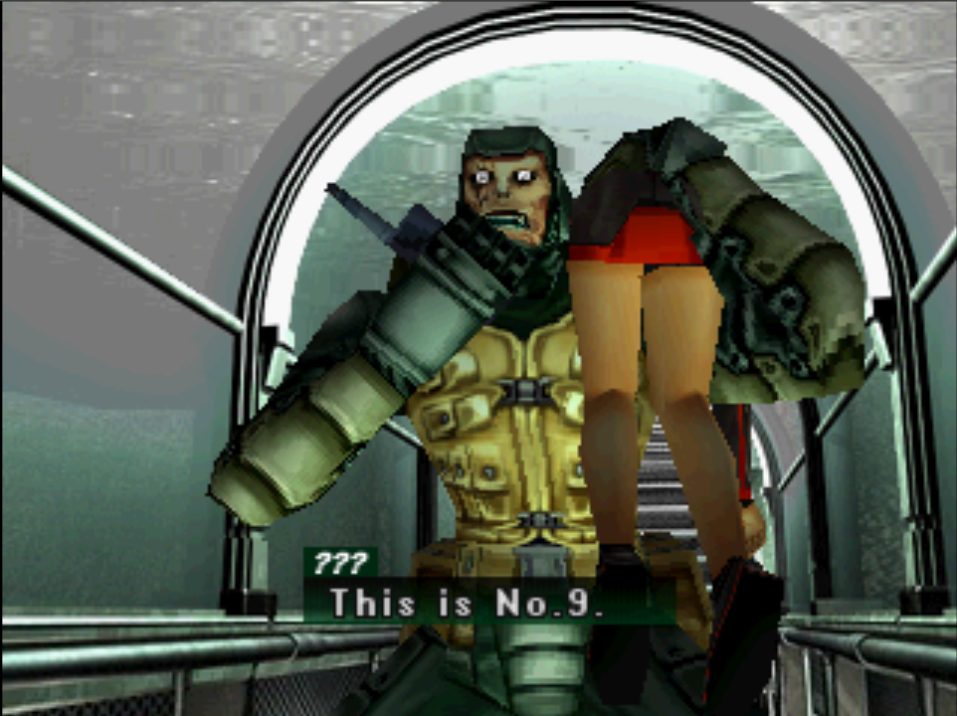
Bad writing plagues this game. Resident Evil often stitches together stories by ripping pages out of dime store sci-fi novels and pressing them together in whatever order they fall, but next to PE2, Resident Evil rises to the quality of Dostoyevsky. Characters speak in unnatural, stilted dialogue, like a troop of actors who all simultaneously forgot their lines, the premise of the play, and everything they learned since the third grade. Aya, one of the most awesome, badass protagonists of all time suddenly feels the need to flaunt her girliness by criticizing the P.I.’s outfit and telling us about the clearance sale she visited the previous weekend. And let me tell you, nothing builds up to an exciting climax of an epic survival horror game like a series of long, boring cut scenes filled with exposition that won’t matter thirty seconds later.

Smooth. On the upside, I no longer feel as bad for some of my failed attempts at talking to girls in high school.

Smooth. On the upside, I no longer feel as bad for some of my failed attempts at talking to girls in high school.

Ladies and Gentelmen, your villain. Code Name: Love Potion

Ladies and Gentlemen, your villain. Code Name: Love Potion

The original Parasite Eve showed a lot of effort in writing. They showed us a connection between Aya and her antagonist, which made their final confrontation meaningful as more than an obligatory battle. The story gave her doubts and personal conflicts. PE2, on the other hand, refers to the primary antagonist as “the big guy,” and he never takes off his army mask. You don’t know his identity or his motivations, much less how he connects with Aya or the events of the previous game. They introduce a private investigator as sort of a love interest, but they have even less chemistry than Leon and Ada in RE2, spend almost no time together, an remember how I said you lose HP in the cut scene before the final boss fight? Yeah…spoiler alert…he shoots Aya. In order to earn the trust of the villain that he betrays in the same cut scene. But no biggie, right? ‘Cuz he’s a hot guy. What else does he need?

I try to get away, but something irresistible just keeps drawing me back.

I try to get away, but something irresistible just keeps drawing me back.

The game doesn’t suck. Completely. Although I maintain that RE-style walking controls never helped anyone and feel even clunkier here where Aya automatically tries to reorient herself towards her target enemy, thus constantly steering her slightly back towards any enemy she needs to escape. The overly simplistic weapon customization system pales in comparison with PE1. And the puzzles, while they earn bonus points as interesting challenges, might offer too much of a challenge for someone who just wants to get on with the game, thus making a walkthrough necessary for completion. But I did play through the game twice (even though the New Game Plus option gives you nothing worthwhile) in order to get both the bad ending and the…well, still bad, but longer ending.

I couldn't find a clear solution anywhere online. Use this screensshot! This screenshot will help you finish this puzzle!

I couldn’t find a clear solution anywhere online. Use this screen shot! This screen shot will help you finish this puzzle!

I guess the “good” ending best sums up the obliviousness of the development team. A year after Mr. Sack-of-Flour Personality disappears, Aya visits the Museum of Natural History in New York–because when Alan Grant needed to relax, he spent some time on Isla Nublar–and the doors burst open behind her to reveal the Private Investigator, and I couldn’t find myself caring less about this bland, poorly written douchebag who shot me right before the final battle. Kick his ass to the curb, Aya! You can do better than him, and you have a birthday coming up…

Hey there! I know I usually update on Mondays, but I have something special planned for this week, and unfortunately it’ll have to wait a few days–you’ll understand why when you see it.

Check back on Wednesday for something good!

future-continued

Ju-on: Haunted House Simulator – Wii

Taking the week off, everyone! Here’s a review by Anne, the only person I know who has ever told me I’m optimistic. Enjoy!

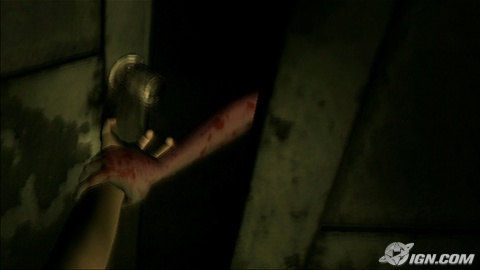
Juon

Let me start off by saying I HATE THIS GAME! I spent multiple curse filled, blood pressure raising, hours playing this game and even the memories of it make me want to toss my Wii-mote off a tall building. There, with that out of the way I can look at this game a little more objectively but still, you know what you’re in for.

Ju-on: The Haunted House Simulator is, as so many people before me have stated, more of an experience than a real game. It plays in the style of old point and click adventures to a certain extent in that you use the Wii-mote as a flashlight and as a means of telling the lucky character of any given level where to go. This also allows you to interact with a limited number of pre-set objects that either progress the story or cause a jump-scare to occur. I say limited because there are a certain number of paper scraps one must collect in each level and they tend to be hidden in drawers or in mailboxes but it is sometimes difficult to figure out what can be interacted with and what is just a static background piece. The best example I can give is in the security guard level there is a section where you must flush all of the urinals in the men’s bathroom in order to set off the next sequence but prior to this none of the bathrooms have allowed such an option, so the player must go by trial and error to discover what will make the story progress. In addition, if you do not collect all of the pieces in the level you will find yourself replaying as the only way to unlock the final level is through having all of the pages from all of the previous levels completed.

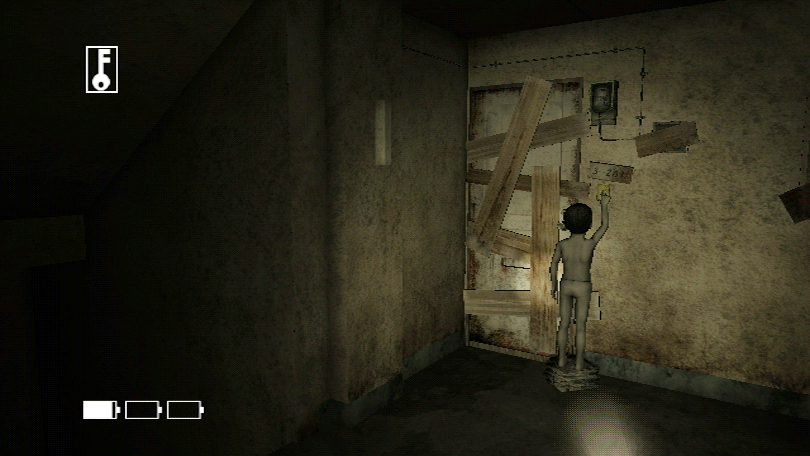
I understand that some people find children creepy...but did he have to drop his pants?

I understand that some people find children creepy…but did he have to drop his pants?

With all of that nitty-gritty detail out of the way let’s talk game play. I would like to start off with one not to subtle hint: there is no run button. Each character walks down their given corridors like they are strolling through a museum rather than being chased for their lives by a vindictive ghost. Personally, if I were in their shoes I would have noped the fuck out of there way before things got as bad as they do and to hell with my dog, my job, or my ‘family’ (I think that’s what they’re indicating with that picture that shows up in each level and the little bit of commentary in the last one?). Picture this if you will: you are walking your dog when it suddenly gets away from you and runs into a darkened warehouse. In the very first room that you enter you hear it barking and attempt to open a set of doors only to be grabbed by something behind the door and shaken. Would you calmly start browsing around for batteries, keys, and hidden pages? I personally would be well on my way to another zip code and hoping the dog was smarter than it looked.

Oh yeah, I'll tell you something I think you'll understand...

Oh yeah, I’ll tell you something I think you’ll understand…

Additionally, and I know this is picking at small details but what is with the trend of having video game protagonists get horse shoes nailed to their feet before any game that involves any level of stealth. This game’s horse shoe sound effects are so bad that there were several times that I missed the beginning of a scare because I couldn’t hear it over my own character’s walking. Again, am I the only one who would be tip-toeing as quietly as possible if I were being chased or even taking off my shoes if they insisted on making that much noise? Also, where does one find a horse-shoer for humans? Is it a niche market? Is there a discount since there are only two feet to shoe or is it extra since you probably have to anaesthetize them so they don’t pass out when you nail the shoe on?

Finally, the motion sensor aspect of this game as a way to simulate a flashlight is actually a really innovative and interesting idea. Newer horror games have run with this theme with the most notable one in recent memory being Outlast. The problem with this is that the Wii-mote sensor in this particular game is AWFUL. I thought I had played bad Wii games before but I was wrong. When my character wasn’t determinedly staring at the ceiling like a paranoid pest control worker he or she would make 180-degree spins to go in the opposite direction of where I needed to go. This wouldn’t have been such a problem except that every level is for all intents and purposes timed due to the shortest lasting batteries that have ever been my honor to curse about. This means that half the time a ‘scary’ nose would occur and I wouldn’t even be looking in the right direction for the scare.

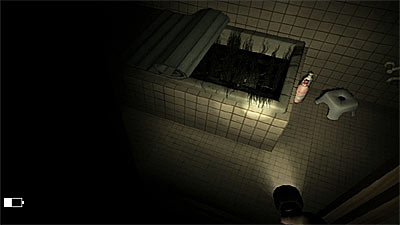
Because nothing horrifies me more than a comically large hair clog in a bathroom drain.

Because nothing horrifies me more than a comically large hair clog in a bathroom drain.

Which brings me to related point. If you run out of batteries or fail a quick time event, which you will because of the aforementioned control issues, you have to start the level all over again from the very beginning. This wouldn’t be such an issue except every last cut scene must be triggered in order in order to progress and the jump scares don’t change. After the first, or heaven forbid eighth time, you go through a level the preset scares simply feel like they’re taking up valuable time and are a chore to slog through. I’ll admit that every once in a great long while you’ll find an optional jump scare that you may have missed along the way but it is extremely rare and yet these soon to be yawn worthy moments still lead to the ‘scared’ and ‘sissy’ meters at the end of a level somehow filling even if you in no way waggle the controller during one.

...Seems legit. Nothing bad ever happens to anyone who crawls into a jagged hole in a fence in the middle of the night when surrounded by blood.

…Seems legit. Nothing bad ever happens to anyone who crawls into a jagged hole in a fence in the middle of the night when surrounded by blood.

One memorable time I was playing through a level for the umpteenth time and finally completed it only for the game to taunt me with a quip about my basically needing to go hide under a blanket while during the very next level when I nearly jumped out of my skin at a well placed and new to me jump scare it told me I had nerves of steel.

Now here is the part of the review that I like to call ‘random crap that was said during the game’. Some of this will actually be from my brother’s run as I made him play it to make up for him making me play through the first level of Dark Souls II blind (and I don’t play that type of game so I had no idea what to do at first) and spent a good hour or so laughing at me.

~’This looks like the owner’s own personal crop of weed.’ -Regarding the field from level 3 (the delivery boy level) with the grass covered play set and oddly shaped ‘plants’.

~’This person should just lay down the cash to get an LED flashlight or even a crank operated one.’ -Regarding the quickly draining batteries of the flashlights in every level.

~’This is a sign that you’ve taken your delivery to the next level… neither rain, nor sleet, nor slashing knife…’ ‘Oh, no worries, some days are just so strange.’ -Regarding the delivery man not only entering the apartment to attempt to deliver the package but then continues wandering around the buildings afterward rather that high-tailing it out of there.

~’That guy needs to wear bifocals!’ -Regarding the delivery man’s need to hold the package right up to his eye in order to check the address and later being unable to see more than an inch or two in front of his face.

~’Not the death tuba!’ -After yet again missing a jump-scare because my character was facing the entirely wrong direction.

Sacks of bloody garbage bags outside this creepy abandoned apartment? Seems like an invitation to go inside instead of leaving the package on the door step like a normal UPS guy!

Sacks of bloody garbage bags outside this creepy abandoned apartment? Seems like an invitation to go inside instead of leaving the package on the door step like a normal UPS guy!

So is the game worth the play through, I hear nobody ask. In my opinion no. It has all of the ideas and elements to be a great game from the haunting locations and claustrophobic environments of the classic Silent Hill games to the raging jump scares that we’ve come to associate with games like Five Nights at Freddy’s. The problem is that it has extremely limited replay value and even then it isn’t all that scary. I spent most of the short play time simply re-doing levels where I had failed a quick time sequence due to poor control sensitivity or looking for the annoying and sometimes ridiculously placed page fragments that truly require a walk-through to locate. This is made double frustrating by the fact that the levels are so dark that sometimes you don’t know if you’re actually progressing or simply have collided with an obstacle that you can’t see and are slamming the character uselessly and repeatedly against said immovable object. Darkness is atmospheric but it is not, in and of itself, scary.

In addition, the Grudge lady is poorly animated from her chunky octopus hair to her albino son who is practicing his cat calls. Even fans of the original movies are going to be disappointed as there is minimal plot other than that one or all of the characters in the game may or may not be living at the original Grudge site. If the game gave us any reason to relate to or even empathize with the characters this might have played out differently but as it is, slapping a name on the beginning of each level and then asking the player to feel bad when they ultimately meet their untimely demise is bad story writing. This is not to say the game can’t be entertaining for a short time but at least this gamer spent more of her time cursing poor controller sensitivity and crappy batteries then actually feeling frightened and in a haunted house simulator, the sense of impending doom is everything.

Castlevania: Dawn of Sorrow – NDS

CastlevaniaHere at RetroCookie, I like to keep October dedicated to the Halloween spirit. I do this mostly because Anne has such an obsession with horror that if you wrote “Boo!” on a cardboard box she’d watch it for ninety minutes (two hours if you tell her you found it in an alley and try to pass it off as a true story), but I also recognize that video games, generally science-fiction or fantasy by design, also host a plethora of inspiring, interactive horror, that can inflict sensations and emotions via the interactive medium that movies simply can’t. So realizing I’ve given the Nintendo DS about as much attention lately as I’ve given my 10,000-steps-a-day exercise regimen, I thought I’d pick from the magnificent library it has to offer, and since I can’t let a Halloween season go by without writing about Castlevania (a tradition that dates all the way back to last year…as soon as this article posts), I thought, “What game could better embody all things horror and create the mood for ghosts and goblins and monsters and republicans than Castlevania: Dawn of Sorrow?” As it turns out, many. Many other games.

Right next to the Evil Petting Zoo.

Right next to the Evil Petting Zoo.

Dawn of Sorrow picks up where the GBA installment, Aria of Sorrow, left off. Apparently, Konami liked the idea of sorrow. Because I can’t think of any emotion I’d rather feel when playing a game than crippling, unyielding sadness. If you missed that one, it took all the gloomy atmosphere, classic horror monsters, creepy crumbling castles and all things Transylvania, and replaced it with a flying labyrinth over a very Anime-esque Japan and Soma Cruz, a protagonist who dresses as though shopping for a European Men’s Carry-All. Soma discovers he carries the reincarnated soul of Count Dracula, and evil wants it back. Dawn of Sorrow begins as the leader of a bizarre cult accosts him on the streets of Japan.  This post-modern Jim Jones doesn’t take kindly to the fact that Soma doesn’t want to share the evil with everyone else (Quick: What do you get when you combine a Democrat and a Republican?), and she brought two candidates for the position of Dark Lord who intend to murder him and take back the evil by force. But not until they give him the chance to gallivant through the castle, equipping himself with top-notch weapons and armor, leveling-up by slaying monsters, and recruiting the souls of his fallen enemies to invest him with their power. Because reasons.

MonsterRight from the get-go, Dawn of Sorrow gives off a Blues Brothers vibe, a sort of “Let’s get the gang back together for one last adventure” scenario.  Immediately after the first monster rushes all the characters from Aria of Sorrow show up to let us know they haven’t gone anywhere.  Hammer arrives to profit on impending doom, Julius Belmont pokes his head in trying not to look like the game should star him instead of Soma, and Arikado appears, pretending that by not wearing a cape and pronouncing his name with a Japanese accent, no one will know his true identity. Then the characters appear here and there throughout the game contributing bits of dialogue to what passes for a story.

That may sum up Dawn of Sorrow’s major flaw, right there; it tried to have a story.  The original Castlevania games didn’t need any more plot than “Let’s go kill us some vampire!” And when Dracula’s Curse started introducing rudimentary dialogue, it only gave us enough to suggest an interesting back story behind the characters. All the charm in those games came from using familiar monsters as enemies and bosses. While the original game pit you against Frankenstein’s monster, the Mummy, Medusa, and Dracula, Dawn of Sorrow gives you…some guys. Just some dudes. They have some minor powers, but nothing really interesting, and they go down fairly easily. Hardly something you’d expect from a candidate for the position of Supreme Vampiric Evil.

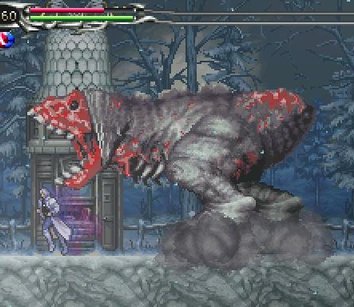
When zombie T-rex starts crawling out of his skin, even Chris Pratt runs away.

When zombie T-rex starts crawling out of his skin, even Chris Pratt runs away.

I might come off as overly harsh toward the game, but I actually really enjoyed it. Unfortunately, the aspects I enjoy make it play exactly like Aria of Sorrow, Symphony of the Night, and all other Metroid-vania games. You still romp through the same castle, looking for the same abilities, fighting the same generic monsters…in a way, Castlevania resembles porn. New material doesn’t necessarily make it better, and we still look for all the same parts we looked for before, but everything has a slightly different layout and position that keeps it interesting enough to spend three hours every night on it. So even though the story flounders like a school of mackerel dumped into a Taco Bell parking lot, the idea of dashing through the castle slaughtering monsters like Abraham Van Helsing turned into the Incredible Hulk still makes the game well worth playing.

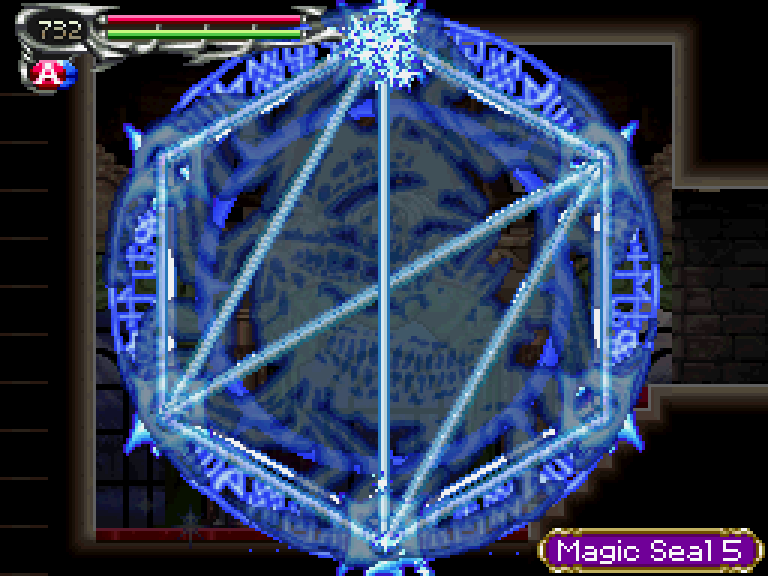
Connect the dots. La, la, la-la!

Connect the dots. La, la, la-la!

I should note, though, that as a DS game, Konami felt obligated to include a touch mechanic. Every time you defeat a boss, you have to draw out a magical seal on the screen or the enemy will regenerate a set amount of HP and you’ll have to whittle it down again. This doesn’t really detract from the game, but I can’t honestly say it adds anything to game play either. It more feels like a token gesture, a feeble attempt at striving for praise from game developers, who just may end up humoring Konami like a child who brings home a picture that looks like the creation of a blind elephant with a crayon and suddenly wants to become a professional artist.

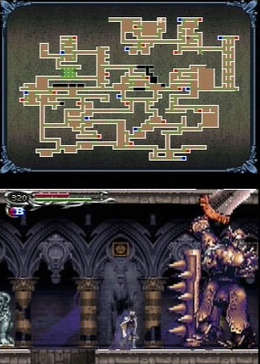
alucardscreenDawn of Sorrow has one really cool aspect–which, apparently, they also included in Aria of Sorrow and I just missed–that lets you play as Julius Belmont if you meet the right conditions at the end of the game. Almost like Zelda’s second quest, this opens up access to an entire game with different mechanics. You control Belmont, the rightful protagonist of a Castlevania game, as he hunts down Soma, who has given in to his hate and joined the Dark Side of the Force. Rather than equipping souls, Julius has access to the traditional sub-weapons from the NES Castlevania games, and much like Dracula’s Curse, he can recruit sidekicks, including Alucard, who retains the same abilities he had in Castlevania 3. As soon as you find all the playable characters, you have access to all areas of the castle, and since you presumably learned the secrets and layout the first time through the game, you don’t have to spend as much time squinting over the tiny map with a high powered magnifying glass, looking for every spot you may have missed a door or a branching path. To balance this out, however, they removed all healing items, so it becomes a major grind, especially near the end of the game.

If you get lost, just look closely at the map for the one span not fully enclosed by the white border.

If you get lost, just look closely at the map for the one span not fully enclosed by the white border.

So maybe it doesn’t play as an homage to classic horror, and maybe it does just rehash an old Castlevania formula…which in turn rehashes the classic Metroid formula…which attempted to combine Mario and Zelda…and maybe I can’t say anything both original and positive about it. But…I forgot where I was going with this. Just enjoy the game. And happy October…I have a special edition planned in a few weeks, so look forward to that.